

How to Use Scented Sachets to Keep Your Home Fresh Naturally
In a world of plug-ins and perfumed sprays, the humble scented sachet feels like a quiet revolution—elegant, sustainable, and deeply human. Long before synthetic air fresheners, these small fabric pouches filled with dried flowers and essential oils brought warmth and calm to everyday life. Now, modern brands such as SaFiSpa are re-imagining the tradition, blending aromatherapy science with design minimalism to make homes smell—and feel—like sanctuaries.
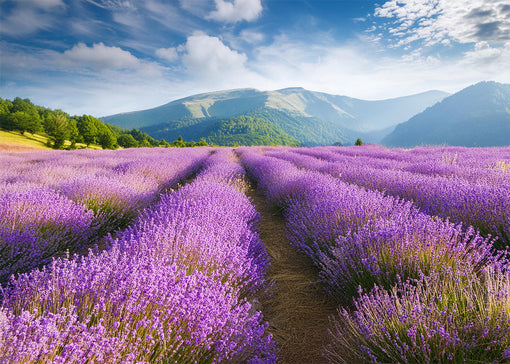
 SaFiSpa's Lavender Vanilla sachets are handcrafted in New York and last up to six weeks.
Quick answer
Most scented sachets last about 4–6 weeks in typical closets and drawers. High airflow (cars, entryways) may shorten that to 2–3 weeks, while enclosed drawers may extend it to 8+ weeks. To keep scent strong, rotate placement and gently squeeze the pouch weekly to re-activate diffusion.
The Origins of the Scented Sachet
The word "sachet" derives from the Old French sachet—a small bag. For centuries, people filled them with herbs, petals, and spices to repel insects and perfume their clothing. Archaeologists have discovered ancient Egyptian linen pouches scented with myrrh and cinnamon; during the Middle Ages, Europeans carried pomanders—leather balls of herbs—around their necks for both fragrance and protection. By the Victorian era, sachets had become tokens of refinement, tucked into drawers and wardrobes as discreet luxuries.
Modern fragrance sachets preserve that sense of ritual. Unlike aerosols, they release scent slowly through breathable fabric, creating an even diffusion that feels organic rather than imposed. The concept bridges eras: a reminder that true comfort is rarely electric.
The Science of Scent and Memory
Neuroscientists often call smell the "fast lane" to emotion. When you inhale, scent molecules bypass the brain's rational filters and travel straight to the limbic system—home of memory and feeling. Unlike sight, sound, touch, and taste, smell has direct connections to the amygdala and hippocampus, the regions responsible for processing emotions and storing long-term memories [^34^]. This direct pathway explains why a familiar aroma can trigger vivid, emotionally charged memories more quickly and intensely than any other sensory cue.
Recent peer-reviewed research has taken this connection further. A 2023 randomized controlled trial published in Frontiers in Neuroscience found that older adults who diffused essential oils (rose, orange, eucalyptus, lemon, peppermint, rosemary, and lavender) for two hours nightly over six months showed a 226% improvement in verbal learning and memory compared to controls [^31^]. MRI scans revealed strengthened connectivity in the left uncinate fasciculus—a brain pathway that links the medial temporal lobe to the prefrontal cortex and deteriorates with age [^37^].
While these findings are promising, it's important to note the nuance: the improvement was measured primarily on a word-list memory test, and critics have pointed out that no significant differences were observed on three other cognitive assessments [^28^]. The study's principal investigator, Dr. Michael Leon, acknowledged that consistency is key—"over the age of 60, the olfactory sense and cognition starts to fall off a cliff"—and that making olfactory enrichment easy and passive (like a sachet) is what makes real-world adherence possible [^37^].
On the aromatherapy front, a 2025 randomized controlled trial in Frontiers in Pharmacology demonstrated that lavender essential oil inhalation significantly improved postoperative sleep quality in intracranial tumor patients, increasing total sleep duration and deep sleep while reducing anxiety scores (3.38 vs. 6.14, P = 0.038) [^60^]. These findings align with earlier meta-analyses showing lavender's anxiolytic and sleep-enhancing properties [^61^].
If you enjoy fragrance rituals, you may also like: how to make your candles last longer (a simple guide to cleaner, longer burns).
Benefits of Using Fragrance Sachets
Beyond nostalgia, sachets serve tangible purposes. Here's what they offer that other fragrance forms often miss:
- Continuous freshness: Unlike candles or diffusers that require activation, sachets release scent naturally 24 hours a day.
- Flame-free safety: Ideal for dorms, offices, or travel where open flame or electricity isn't allowed. The New York State Department of Health notes that plug-in devices and wax warmers can pose fire hazards, with 173 fires per year attributed to malfunctioning units [^42^].
- Compact design: Works in tight spaces—drawers, closets, cars—where sprays or plug-ins can't reach.
- Low VOC emissions: Unlike aerosol sprays and plug-in diffusers that emit volatile organic compounds (VOCs) into indoor air, passive sachets release fragrance through fabric diffusion at significantly lower concentrations. The EPA regulates VOC content in air fresheners precisely because of their potential to degrade indoor air quality [^52^].
- Aromatherapy support: Essential oils in sachets may encourage relaxation or focus depending on blend—backed by clinical evidence for lavender's anxiolytic effects [^60^].
In essence, they transform the unseen corners of your home into quiet sources of comfort.
How to Use Scented Sachets Effectively
Placement and rotation matter more than quantity. To maximize diffusion and longevity, follow these evidence-based tips drawn from aromatherapy practice and fragrance chemistry:
- Closets & Wardrobes: Hang one sachet for every two feet of hanging clothes. The gentle airflow refreshes fabrics without direct contact.
- Drawers & Storage Bins: Slip a sachet among folded garments or linens. For delicates, wrap in tissue to avoid oil marks.
- Linen Cupboards: Place sachets between sheets and towels to maintain a fresh-laundered scent.
- Cars & Travel Bags: Position under seats or in luggage pockets for natural odor control—no synthetic car-freshener smell.
- Gifts & Event Favors: Add a sachet to gift boxes or wedding bags for an unexpected sensory touch.
Most SaFiSpa scented sachets last between four and six weeks. To revive fading scent, gently squeeze the pouch to re-activate the botanicals. Avoid storing near heat sources or sunlight, which can evaporate essential oils prematurely.
Pro tip
Keep the envelope sealed. Sachets are designed to release fragrance slowly through the fabric. Opening the envelope speeds up evaporation, shortens lifespan, and can leave oil residue on surfaces [^39^]. If scent feels weak, shake the pouch gently to redistribute oils rather than opening it.
The Best Places to Put Scented Sachets
While drawer sachets are classics, their versatility extends further. A few creative placements can transform overlooked corners:
- Shoe Racks & Gym Bags: Neutralize odor naturally with bergamot or patchouli blends.
- Office Desks: Keep one near your workspace to reduce stress and improve focus.
- Bathrooms & Powder Rooms: Use citrus or eucalyptus sachets for a clean, refreshing note.
- Pet Areas: Place nearby—not directly in bedding—for subtle deodorizing.
These low-maintenance pouches allow you to curate scent the way you design light—layered, localized, intentional.
How to Choose the Right Fragrance for Each Space
Selecting a sachet is both aesthetic and emotional. Perfumers categorize notes as top (first impression), heart (body), and base (lingering). Matching these profiles to mood creates harmony between scent and setting.
Fragrance longevity is governed by molecular science: larger molecules with lower vapor pressure evaporate more slowly, which is why base notes like sandalwood, patchouli, and vanilla provide the longest-lasting foundation [^44^][^50^]. Lighter molecules such as citrus oils evaporate within minutes to hours, while heavier base notes can linger for 6–24 hours or more [^45^].
| Space | Suggested Scent | Effect | Scientific Basis |
|---|---|---|---|
| Bedroom & Linens | Lavender Vanilla / Rose Petal | Calming, romantic, encourages sleep | Lavender EO reduced anxiety scores in RCT (P=0.038) [^60^] |
| Closets & Storage | Sandalwood / Fresh Linen | Clean, grounded, neutralizes odor | Woody base notes have high molecular weight = slow evaporation [^50^] |
| Bathroom & Spa Corner | Bergamot / Citrus Bloom | Bright, uplifting, morning energy | Citrus top notes project strongly but fade faster [^45^] |
| Car & Luggage | Vanilla Essence / Cedarwood | Warm familiarity on the move | Vanilla contains vanillin, a fixative that slows evaporation [^44^] |
| Entryway & Guest Room | Rose & Amber | Welcoming, elegant, memorable | Rose oil showed cognitive benefits in olfactory enrichment trials [^31^] |
Rotate scents seasonally—floral for spring, citrus for summer, spice for autumn—to keep your environment dynamic and your senses engaged.
Sustainability and Clean Ingredients
Eco-conscious consumers increasingly ask what's inside their fragrances—and with good reason. A 2025 narrative review in Frontiers in Toxicology found that over 98% of fragrance synthetic chemicals tested had significant gaps in hazard data or are considered high concern, with 26 found to be carcinogenic, mutagenic, or genotoxic [^36^]. The fragrance industry operates under a significant federal labeling loophole: dozens or even hundreds of chemicals can hide under the single word "fragrance" or "parfum" on product labels [^51^].
SaFiSpa sachets are filled with ethically sourced botanicals and phthalate-free oils, wrapped in recyclable cotton fabric. There are no synthetic dyes, parabens, or petroleum derivatives. Each pouch can be refilled or composted, reducing waste compared to disposable air fresheners.
When evaluating fragrance products, look for third-party certifications that verify safety claims:
- EPA Safer Choice: Evaluates every ingredient for human and environmental safety [^43^]
- IFRA Compliance: The International Fragrance Association's 51st Amendment (2023–2025) introduced 48 new restriction standards and expanded allergen disclosure from 24 to 80+ allergens [^49^]
- Green Seal / EcoLogo: Certify products against rigorous environmental standards including VOC limits [^43^]
This approach aligns with broader sustainability trends in the luxury home-fragrance market, where transparency and traceability are becoming as important as scent itself.
How Long Do Scented Sachets Last?
In most homes, a scented sachet lasts about 4 to 6 weeks. But longevity depends on where you place it and how much air moves around it:
- Drawers & enclosed bins: Often last the longest—8+ weeks (less airflow slows evaporation).
- Closets: Usually 4–6 weeks with regular door opening and gentle circulation.
- Cars, entryways, open shelves: Can fade faster (2–3 weeks) due to heat and frequent airflow changes.
- Humid rooms: Scent may soften sooner; humidity can affect botanicals and diffusion.
How to make sachets last longer (without adding more)
- Keep away from heat and sun: Warmth speeds up essential-oil evaporation. Store unused sachets in a cool, dark place.
- Refresh weekly: Gently squeeze or shake the pouch to re-activate the scent release and redistribute oils [^39^].
- Rotate placement: Move from a high-airflow area to a drawer for a "rest period."
- Store backups sealed: Keep unused sachets in a zip bag until needed.
- Do not open the envelope: The fabric is engineered for controlled diffusion. Opening it destroys the mechanism [^39^].
Pro tip
If you want scent all day in a large space, sachets work best as localized fragrance (drawers, closets, entryway baskets). For room-wide fragrance, layer with a candle, diffuser, or wax melt —a luxury approach that feels intentional rather than overpowering.
SaFiSpa's Modern Collection
Hand-poured in New York, rooted in Caribbean wellness traditions. The SaFiSpa Scented Sachet Collection captures sensory balance through clean craftsmanship. Available in Lavender Vanilla, Rose Petal, Sandalwood Vetiver, and seasonal blends like Fresh Lychee & White Tea, each sachet delivers a refined, lasting aroma that complements minimalist interiors and modern routines.
Founder Nicole Davis describes them as "small luxuries that make space feel alive." Her team blends each fragrance in small batches, ensuring consistency while preserving essential-oil integrity. The result is a sachet that doesn't just scent a room—it shapes a mood.
Combine sachets with SaFiSpa's soy candles, diffusers, and wax melts for a multi-layered home-fragrance ritual: flame, air, and fabric working together in quiet harmony.
Shop: SaFiSpa Scented Fragrance Sachets
Flame-free home fragrance designed for closets, drawers, travel bags, and linen storage. Clean ingredients • Phthalate-free blends • Long-lasting diffusion.
Explore Sachets
Frequently Asked Questions
How long do SaFiSpa sachets last?
Typically four to six weeks. Duration depends on airflow, humidity, and placement. Shake or gently squeeze the pouch weekly to refresh diffusion.
Are they safe for sensitive skin or fabrics?
Yes. Sachets use hypoallergenic cotton and clean fragrance blends. For delicate fabrics like silk, store in a separate drawer liner or wrap the pouch in tissue.
Can I reuse or refill a sachet?
Absolutely. Once scent fades, refill with a botanical blend or add a few drops of essential oil to extend life.
Do sachets actually remove odors?
They help absorb mild moisture and replace unwanted smells with balanced natural fragrance—ideal for closets, gym bags, or storage bins.
What makes SaFiSpa different from other sachets?
SaFiSpa combines luxury perfumery with sustainability: clean blends, recyclable materials, and diffusion designed to last—without harsh, aerosol-like intensity.