Candle Care 101: Enhancing the SaFiSpa Experience

Sandalwood Candle Benefits: Relaxation, Sleep, Mood & Home Fragrance Guide
  • Article published at:
  • Article author: SAFISPA NY
  • Article tag: sandalwood candle
  • Article comments count: 0
Sandalwood Candle Benefits: Relaxation, Sleep, Mood & Home Fragrance Guide
2026 Wellness Trend Scented Candles & Wellness Sandalwood Candle Benefits: Science-Backed Relaxation, Sleep & Mood Support. Discover why sandalwood candles are loved for relaxation, meditation, sleep, emotional grounding, and luxury home fragrance—backed by aromatherapy science and expert formulation insights. By Rene  Devis SaFiSpa Candle Care Relaxation & Home Fragrance Guide Updated April 2026 ✓ Cruelty-Free ✓ Vegan ✓ USA-Made ✓ Phthalate-Free ✓ FSC-Certified Packaging There are scents that brighten a room—and then there are scents that change how a room feels. Sandalwood belongs to the latter. Soft yet unmistakable, warm yet quietly powerful, sandalwood does not overwhelm the senses. Instead, it settles into a space, creating a sense of calm that feels almost instinctive—like returning to stillness after noise. For centuries, sandalwood has been used in sacred rituals, meditation, incense, and healing traditions across India, China, and the Middle East. Today, it has re-emerged in modern living as one of the most effective scent profiles for relaxation, stress relief, and emotional grounding—validated by a growing body of aromatherapy research. At the center of this experience is the sandalwood candle—a simple object with profound atmospheric power. Quick answer: Sandalwood candles are best for creating a warm, grounding, spa-like atmosphere. They are commonly used for relaxation, meditation, sleep preparation, and luxury home fragrance. Research suggests sandalwood essential oil may support alpha-wave brain activity associated with relaxation (Hongratanaworakit et al., 2004). What Does a Sandalwood Candle Smell Like? A sandalwood candle has a warm, woody, creamy, and slightly sweet fragrance. Unlike bright citrus scents or delicate florals, sandalwood develops slowly and evenly, creating depth rather than sharpness. Its scent profile is often described as: Warm and woody Creamy and smooth Slightly sweet with balsamic undertones Earthy and grounding Softly luxurious with subtle spice notes This makes sandalwood especially well-suited for evening environments, relaxation rituals, bedroom ambiance, meditation spaces, and elevated home fragrance. The complexity of sandalwood also makes it an ideal base note in blended candles—pairing beautifully with oud, amber, vanilla, and cedarwood. Why Sandalwood Candles Affect Mood: The Science Scent is closely connected to emotion, memory, and behavior. When you inhale a fragrance, scent signals travel through the olfactory system and interact with areas of the brain associated with emotional response and memory—including the amygdala and hippocampus. Sandalwood is especially valued because it feels grounding rather than stimulating. While citrus scents often energize and floral scents uplift, sandalwood creates a sense of warmth, steadiness, and emotional balance. What the research says: A 2004 study published in Planta Medica found that inhalation of sandalwood oil increased physiological relaxation markers and reduced systolic blood pressure in healthy adults. Research in Evidence-Based Complementary and Alternative Medicine (2015) suggests sandalwood oil may have anxiolytic (anti-anxiety) effects through interaction with GABA receptors. A 2014 clinical trial demonstrated that sandalwood aroma exposure was associated with improved sleep quality in participants with mild sleep disturbances. For many people, lighting a sandalwood candle becomes a cue to slow down. The scent helps mark a transition from activity to rest, from mental clutter to stillness—a phenomenon psychologists call "sensory anchoring." Medical Disclaimer: This article is for informational and educational purposes only. Sandalwood candles and aromatherapy are not intended to diagnose, treat, cure, or prevent any disease. If you experience chronic stress, anxiety, or sleep disorders, please consult a qualified healthcare professional. Top Benefits of Sandalwood Candles 1. Stress Relief Sandalwood creates a calm, soothing atmosphere that can help soften the feeling of stress after a long day. The warm, grounding aroma signals the nervous system to shift from "fight or flight" toward "rest and digest." 2. Meditation & Focus Its grounding aroma makes sandalwood a natural companion for meditation, breathwork, journaling, and quiet reflection. Many practitioners use sandalwood to anchor attention and deepen mindfulness practice. 3. Better Sleep Rituals Used in the evening, sandalwood can help create a restful atmosphere and prepare the mind for sleep. The scent's association with calm and safety makes it ideal for bedtime routines. 4. Luxury Atmosphere Sandalwood brings warmth, depth, and refinement to bedrooms, living rooms, bathrooms, and reading corners. It reads as sophisticated without feeling pretentious. How to Use a Sandalwood Candle for Maximum Effect To get the most from sandalwood, use it intentionally rather than simply lighting it in the background. Evening Reset Ritual Light a sandalwood candle after work to help signal the end of the day and create separation between productivity and rest. Burn for 60–90 minutes in your living space before moving to the bedroom. Bedroom Preparation Burn the candle for 30–45 minutes before bedtime to create a calmer, warmer environment before sleep. Extinguish before sleeping—never leave a candle unattended. Meditation and Journaling Use sandalwood during breathwork, yoga, prayer, journaling, or meditation to anchor the experience through scent. Place the candle 3–4 feet away to allow the fragrance to diffuse without overwhelming. Hosting and Ambiance Because sandalwood feels refined without being overpowering, it works beautifully for intimate dinners, calm gatherings, and cozy evenings at home. It pairs exceptionally well with soft jazz, warm lighting, and natural textures. [Video: How to Burn Your SaFiSpa Candle for the First Time — 45-Second Guide] Why Soy Sandalwood Candles Are a Better Choice Not all candles perform the same way. A high-quality soy sandalwood candle can offer a cleaner, longer-lasting, and more balanced fragrance experience. Cleaner burn: Soy wax is a vegetable-based, renewable resource that burns with minimal soot compared to paraffin. SaFiSpa soy candles produce approximately 90% less soot than traditional paraffin. Longer burn time: Soy wax typically burns 30–50% longer than paraffin. Our 8oz sandalwood candle delivers approximately 45–50 hours of burn time. Better scent experience: A well-made soy candle allows fragrance to unfold gradually through a lower melting point, releasing scent notes in layers rather than all at once. Modern wellness appeal: Soy candles align with the demand for mindful, cleaner home products. Our wax is sourced from American-grown soybeans and is completely biodegradable. Cotton wick: We use lead-free, braided cotton wicks for a consistent flame and even wax pool—no mushrooming or excessive flickering. Explore the full SaFiSpa scented natural candle collection for fragrances designed for mood, ambiance, and everyday ritual. Sandalwood vs. Other Popular Candle Scents: A 2026 Guide Sandalwood is often compared to lavender, vanilla, amber, citrus, and oud. Each scent has its own emotional profile and ideal use case. Scent Primary Effect Best Use Best Season Price Tier (8oz) Sandalwood Grounding, warm, balancing Relaxation, meditation, evening atmosphere Year-round; ideal fall/winter $28–$45 Lavender Soothing, soft, calming Bedtime and gentle relaxation Spring/summer $24–$40 Citrus Bright, uplifting, energizing Morning routines and daytime focus Spring/summer $22–$38 Vanilla Comforting, cozy, sweet Warm home ambiance and comfort rituals Fall/winter $24–$42 Amber Rich, sensual, enveloping Evening mood and luxury interiors Fall/winter $32–$55 Oud Intense, exotic, mysterious Special occasions and statement spaces Fall/winter $45–$85 Sandalwood stands out because it brings both emotional calm and sophisticated depth. It is not just pleasant—it feels stabilizing. Unlike oud, which can be polarizing, sandalwood is universally appealing. Unlike lavender, which reads as strictly bedtime, sandalwood transitions seamlessly from meditation to hosting. Sandalwood Candle Blends: What to Look For Pure sandalwood is rare and expensive due to overharvesting of Indian sandalwood (Santalum album). Most premium candles use: Australian sandalwood (Santalum spicatum): Sustainable, similar warm profile, more accessible. New Caledonian sandalwood: Bright, slightly floral twist on traditional sandalwood. Sandalwood + Amber: Deepens the warmth; ideal for romantic evenings. Sandalwood + Vanilla: Softens the woodiness; perfect for cozy winter nights. Sandalwood + Cedarwood: Amplifies the forest-floor grounding effect. Sandalwood + Oud: Creates a luxury Middle Eastern-inspired profile. SaFiSpa's Sandalwood Soy Candle uses a proprietary blend of Australian sandalwood, soft amber, and a hint of white musk for a modern, clean interpretation of this ancient scent. Are Sandalwood Candles Safe? Pet & Health Considerations When used properly, sandalwood candles are generally safe for most households. However, consider these guidelines: Pets: Sandalwood essential oil can be toxic to cats if ingested or applied topically. However, the concentration in a properly formulated candle (typically 6–10% fragrance load) is generally considered safe for passive inhalation in ventilated spaces. Always ensure good airflow and monitor pets for unusual behavior. Pregnancy: While sandalwood is generally regarded as safe in aromatherapy, pregnant individuals should consult their healthcare provider before using essential oil products. Allergies: Those with fragrance sensitivities should perform a patch test or start with shorter burn times. Burn safety: Never leave a burning candle unattended. Trim wick to ¼ inch before each burn. Allow wax to melt to the edges on first use to prevent tunneling. Why Sandalwood Candles Are Trending in Modern Wellness (2026) Modern consumers are moving toward products that feel intentional. Candles are no longer seen only as décor; they are part of self-care, mood-setting, and home design. Sandalwood fits this shift because it is: Functional for relaxation and stress management Elegant enough for luxury interiors and minimalist aesthetics Grounding for mindfulness and meditation rituals Warm and inviting for everyday living and hospitality Gender-neutral—appealing across demographics Associated with "slow living" and digital detox culture According to the NPD Group's 2025 Home Fragrance Report, woody scents (including sandalwood, cedar, and oud) saw a 34% increase in consumer preference year-over-year, overtaking floral scents for the first time in a decade. It belongs in homes where fragrance is treated not as an afterthought, but as part of how a space feels. What Customers Say: Real Reviews "I've tried dozens of sandalwood candles, and this is the only one that actually smells like real sandalwood—not synthetic or overly sweet. I light it every evening for my meditation practice and the scent carries beautifully through my entire living room." — Sarah M., Brooklyn, NY ✓ Verified Purchase "Bought this as a housewarming gift for my sister and ended up ordering three more for myself. The burn time is incredible—I'm at 40 hours and it's still going strong. The scent is grounding without being overpowering. Perfect for my bedroom." — James T., Austin, TX ✓ Verified Purchase "As someone who gets headaches from most scented candles, I was hesitant. But the soy wax and clean fragrance oils make a huge difference. No headaches, just calm. This is my third reorder." — Priya K., Seattle, WA ✓ Verified Purchase The SaFiSpa Sandalwood Candle Experience At SaFiSpa, sandalwood is crafted with intention. Our Sandalwood Soy Candle is made to bring warmth, calm, and quiet luxury into your space. It is designed for a clean, long-lasting burn and a refined fragrance experience that supports relaxation, focus, and well-being. Product Specifications: Wax: 100% American-grown soy wax Fragrance load: 10% premium phthalate-free fragrance oils Wick: Lead-free braided cotton Container: Recyclable amber glass jar with bamboo lid Burn time: 45–50 hours (8oz) Dimensions: 3.5" H × 2.9" D Hand-poured in: Brooklyn, NY The result is a candle that does not simply scent your home—it transforms the mood of the room. Best for: evening routines, bedroom ambiance, meditation, reading corners, self-care rituals, cozy living rooms, thoughtful gifting, housewarming presents, and holiday gift exchanges. Gifting Guide: When to Give a Sandalwood Candle Sandalwood candles make exceptionally versatile gifts because of their broad appeal and gender-neutral profile. Housewarming: Symbolizes warmth, grounding, and new beginnings. Birthdays: Ideal for friends who value self-care and wellness. Corporate gifting: Professional yet personal; appropriate for clients and colleagues. Holiday gifting: The warm, woody profile aligns perfectly with winter coziness. Self-gift: Sometimes the best recipient is yourself. A Modern Ritual Rooted in Tradition Lighting a sandalwood candle is not just a routine. It is a shift. A moment to pause. To breathe. To return to yourself. In a world that moves quickly, sandalwood offers something rare: stillness. Shop the SaFiSpa Sandalwood Soy Candle Bring warmth, calm, and grounding fragrance into your home with a clean-burning sandalwood soy candle designed for modern rituals. Free shipping on orders over $50. 30-day satisfaction guarantee. Shop Sandalwood Candle — $38 Explore All Candles Visit SaFiSpa   Frequently Asked Questions What are sandalwood candles good for? Sandalwood candles are commonly used for relaxation, stress relief, meditation, emotional grounding, sleep rituals, and creating a warm home atmosphere. Research suggests the scent may support physiological relaxation and improved sleep quality. What does a sandalwood candle smell like? A sandalwood candle smells warm, woody, creamy, smooth, slightly sweet, and grounding. It is often described as calming and luxurious, with subtle balsamic and spice undertones. The scent develops slowly and evenly, creating depth rather than sharpness. Do sandalwood candles help with anxiety? Sandalwood candles may help create a calming environment that supports relaxation. Aromatherapy research suggests sandalwood oil may have anxiolytic (anti-anxiety) effects, but candles should not replace medical care. They can be part of a soothing self-care routine alongside professional treatment. Can sandalwood candles help with sleep? Yes, sandalwood candles can support a restful evening atmosphere. Clinical studies have shown sandalwood aroma exposure is associated with improved sleep quality. Many people use sandalwood before bedtime because the scent feels warm, calm, and grounding. Burn for 30–45 minutes before sleep, then extinguish. Are soy sandalwood candles better than paraffin? Soy sandalwood candles are popular because soy wax burns more slowly, produces less soot, and is derived from renewable vegetable sources. A quality soy candle typically offers 30–50% longer burn time than paraffin and a cleaner fragrance experience. Look for 100% soy wax (not blends) and phthalate-free fragrance oils. Is sandalwood safe for pets? Sandalwood essential oil can be toxic to cats if ingested or applied to skin. However, the concentration in a properly formulated candle (6–10% fragrance load) is generally considered safe for passive inhalation in well-ventilated spaces. Always ensure good airflow, never leave candles unattended around pets, and consult your veterinarian if you have concerns. How long should I burn a sandalwood candle? For optimal performance, burn your candle for 2–3 hours at a time, allowing the wax to melt to the edges of the container. This prevents tunneling and maximizes scent throw. Trim the wick to ¼ inch before each burn. An 8oz soy sandalwood candle typically provides 45–50 hours of total burn time. What scents pair well with sandalwood? Sandalwood pairs beautifully with amber, vanilla, cedarwood, oud, patchouli, bergamot, and white musk. These combinations create layered, complex fragrances that work for different moods—from cozy and comforting to exotic and luxurious.  
Learn More
Candle-lit wellness ritual with essential oils, body lotion, and incense
  • Article published at:
  • Article author: SAFISPA NY
  • Article comments count: 0
Global Wellness Rituals: Candles, Essential Oils & Body Care
Wellness • Ritual • Aromatherapy Global Wellness Rituals to Inspire a Slower, More Intentional Year An evidence-based editorial guide to global traditions—reimagined with candlelight, essential oils, body wash, body lotion, face oil, and incense to support modern self-care. All health claims backed by peer-reviewed research. By Nicole Peters-Devis, SaFiSpa Updated Apr 30, 2026 ~12–16 min read Peer-reviewed research cited A ritual doesn't need to be elaborate to be effective—scent, warmth, and touch are often enough. Quick answer The most evidence-backed wellness ritual is a consistent evening routine combining warm bathing, slow skincare, and aromatherapy. A 2025 meta-analysis of 33 RCTs found aromatherapy significantly reduced anxiety (SMD = −0.46), pain (SMD = −1.29), and blood pressure [^72^]. Lavender essential oil inhalation improved sleep quality in multiple randomized trials [^61^]. The key is consistency—not intensity. What this article covers: Seven wellness rituals practiced across cultures and how to adapt them at home using sensory tools—candles, essential oils, body wash, body lotion, face oil, and (when it fits) incense. Every health claim is supported by peer-reviewed research. Why global rituals matter now Wellness has never been a modern invention. Long before the language of "self-care" became widespread, cultures around the world built wellbeing through repeatable rituals—rooted in scent, touch, warmth, and community. These practices were not trends; they were daily anchors. In a present defined by burnout, loneliness, and constant stimulation, the value of ritual becomes clear: it slows time, stabilizes mood, and returns attention to the body. At SaFiSpa, we see candles and body care as contemporary expressions of an ancient truth: the senses can guide us back to balance. A candle's soft glow changes a room's emotional temperature. Essential oils can shape attention and mood—supported by a 2025 meta-analysis of 33 randomized controlled trials showing aromatherapy significantly reduced anxiety (SMD = −0.46, p < 0.00001), pain (SMD = −1.29), fatigue, and both systolic and diastolic blood pressure [^72^]. Cleansing with body wash, moisturizing with body lotion, and sealing skin with oils can become a form of intentional touch—one of the fastest ways to calm the nervous system. When used thoughtfully, incense can deepen stillness and help mark moments as distinct. Editor's note: Borrow traditions with respect. The goal isn't to imitate cultures, but to adopt the underlying principles—presence, consistency, community, and sensory grounding. All health claims in this article are backed by peer-reviewed research; we note where evidence is preliminary or mixed. Stimulating the skin to support vitality (Japan) Japanese wellbeing traditions often value gentle stimulation over force. The intention is to awaken warmth, encourage circulation, and support a sense of resilience—especially during colder months when energy dips and bodies crave comfort. The scientific basis for this approach is well-documented. Japanese onsen (hot spring) bathing has been studied since 1931, with research showing that mineral-rich hot water improves blood circulation, reduces stress, and promotes deeper sleep through parasympathetic nervous system activation [^70^][^75^]. A 2025 study at Kyushu University found that combining yogurt intake with onsen bathing improved gut microbiota diversity and defecation status more than yogurt alone—suggesting that bathing rituals have systemic health effects beyond relaxation [^69^]. The heat and buoyancy of onsen water also relieve muscle tension and joint pressure, while the environmental shift to a serene setting provides psychological restoration [^70^]. In modern ritual form, begin with warmth: a shower or bath using a nourishing body wash. Then apply body lotion or body oil slowly, with steady strokes. This is more than skincare—rhythm and touch can help the nervous system downshift. Add a candle to soften the light, and a subtle essential oil note to ground attention. The environment becomes a cue: you are safe to slow down. Try it tonight Warm shower + gentle body wash (no rushing). Apply body lotion on damp skin to lock in hydration. Light a calming candle for 20 minutes while you finish your routine. Optional: diffuse a single essential oil note (lavender, bergamot, or citrus) for a clean, steady finish. What the science says: A 2023 pilot RCT found that inhaling lychee-scented soy candles for 20 minutes, three nights per week over four weeks, significantly improved sleep quality compared to controls (p < 0.05). Stress scores also decreased significantly within the experimental group over time (p < 0.01) [^71^]. The active compounds linalool and nerolidol—also found in lavender—may act on the hypothalamus and olfactory nerves to promote relaxation [^71^]. Lingering for connection and emotional wellbeing (Spain & Latin America) Across Spain and much of Latin America, the meal often continues after eating—through conversation, laughter, and presence. This tradition reinforces an essential pillar of health: connection. Emotional wellbeing is rarely built alone. The science supports this cultural wisdom. Research on Mediterranean lifestyle patterns shows that social eating practices—communal meals centered around fresh food preparation and sharing—foster stronger social interactions, improve social support networks, and positively influence mental health and wellbeing [^97^]. The Mediterranean diet's emphasis on mindful eating, portion control, and conviviality contributes to lower depression levels, improved mood, and enhanced cognitive function [^97^]. These benefits extend beyond nutrition to the social dimension of shared experience. Translate this into a home ritual by creating "after-meal space." Dim the lights. Light a candle. Put away the phone for ten minutes. If incense fits your household, choose something light and clean rather than overpowering. The point is not performance—it is time. Make it modern Light a candle after dinner as the official "pause." Serve tea or warm water with lemon as a gentle transition. Use a soft essential oil aroma (diffuser or a few drops on a tissue nearby). Creating balance through daily rhythm (India) Many Indian holistic traditions emphasize consistency—daily rhythm aligned with natural cycles of light and rest. Instead of intensity, the focus is a stable routine that supports emotional steadiness over time. This aligns with chronobiology research showing that circadian rhythm disruption—common in modern life—leads to elevated cortisol, impaired melatonin secretion, and increased risk of metabolic and cardiovascular disease [^98^]. Night-shift workers, who experience chronic circadian misalignment, show significantly higher cortisol during daytime sleep and lower melatonin levels compared to day-shift workers [^98^]. A stable evening routine acts as a "zeitgeber" (time cue) that helps resynchronize the body's internal clock. Build a modern rhythm with sensory cues. In the morning, cleanse and apply a lightweight face oil to seal moisture and signal care. In the evening, pair body wash with lotion and a calming candle. Repeating the same scent at the same time can train the mind to settle more quickly—through classical conditioning of the olfactory system. A simple rhythm (no rigidity) Morning: cleanse → face oil → one bright, fresh scent profile. Evening: warm shower with body wash → body lotion → candlelight + calming essential oils. Weekly: a longer bath ritual with incense only if it enhances calm. Transitioning gently from day to night (Italy) In parts of Italy, evening walks offer a gentle boundary between work and rest. That transition—often missing in modern life—is crucial. Without it, the mind carries the day into the night. If you can, walk for ten minutes at dusk. If you can't, create a "threshold ritual": change lighting, light a candle, and begin your skincare. A body lotion massage can function like a closing ceremony—one that tells the body the day is complete. Ritual cue: Choose one scent profile for evening (soft floral, warm spice, resin, or clean musk) and reserve it for night only. Your brain will learn the association through olfactory conditioning—similar to how Pavlovian cues train physiological responses. Honoring botanical wisdom (Indonesia) Southeast Asian wellness traditions often draw from botanical knowledge: aromatic plants, infused oils, and rituals that treat scent as a bridge between body and mind. Modern aromatherapy builds on the same idea—botanicals can shape atmosphere and attention. Indonesia's jamu tradition—recognized by UNESCO as Intangible Cultural Heritage—represents one of the world's oldest systematic herbal medicine practices [^89^]. Scientific review has validated the biological activities of key jamu ingredients: curcumin from turmeric shows anti-inflammatory and tissue-healing properties [^89^]; ginger and galangal demonstrate immunomodulatory effects [^99^]; and tamarind provides antioxidant benefits [^96^]. However, it is important to note that while in vitro and in vivo studies support many traditional claims, clinical evidence remains limited for several formulations, and some commercial jamu products have been found to contain undeclared pharmaceuticals [^93^]. Incorporate essential oils intentionally rather than constantly. Use them to mark moments: a few minutes of clarity in the morning, a calm reset after work, a softer landing before bed. Incense can be used similarly—as a gentle boundary around meditation, journaling, or quiet reflection. Important safety note on incense: Research published in Atmospheric Environment (2025) found that incense burning releases VOCs, particulate matter, and benzene—particularly in enclosed spaces [^73^]. Monks in temples showed elevated cancer risk from benzene exposure, and seating distance of at least 11 meters was recommended to reduce risk [^73^]. For home use: choose natural incense, burn in well-ventilated spaces, limit duration, and keep distance from the burning source. Those with asthma or respiratory sensitivity should exercise caution [^73^][^74^]. Embracing warmth as a wellness practice (Nordic regions) In colder climates, warmth is psychological as well as physical. Candlelight, cozy interiors, warm baths, and rich skincare form a protective layer against seasonal heaviness. The Danish concept of hygge—often mistranslated as "coziness"—is better understood as a deliberate cultivation of atmosphere that promotes social connection and contentment. Research on seasonal affective patterns shows that environmental warmth cues (soft light, tactile comfort, warm colors) can buffer against winter mood decline by supporting serotonin regulation and reducing cortisol spikes. Bring this approach into your home by layering warmth: soft light (candle), tactile care (body lotion), and comfort scents (essential oils). For skin, winter is a time to prioritize barrier support—hydration first, then oils to seal it in. Honoring balance through ritual and botanicals (Africa & Morocco) Across many African regions, wellness has traditionally been rooted in balance—maintained through heat, touch, botanicals, and communal rhythm rather than isolated treatments. In Morocco, the hammam exemplifies this approach, combining steam, cleansing, and nourishment to reset both body and mind [^90^]. Research published in Our Dermatology Online (2025) found that while the hammam's heat and humidity open pores and facilitate toxin elimination, 55% of participants with pre-existing skin conditions reported worsening symptoms—particularly those with rosacea, psoriasis, and atopic dermatitis [^90^]. The study recommends consulting a dermatologist before hammam visits for those with sensitive skin [^90^]. Bring this approach into your home by treating routine care as ritual: begin with warmth (a shower or bath), cleanse slowly, then apply body lotion or oil with intention. Use candlelight to soften the space, essential oils to anchor attention, and—when it fits—incense to mark moments of pause, allowing scent, touch, and repetition to restore balance without urgency. Elevating the everyday into ritual (global) Across cultures, the most enduring wellness practices share one belief: the ordinary can be sacred. When a routine becomes intentional, it becomes stabilizing. A candle transforms lighting. Essential oils transform air. Body wash, lotion, and face oil transform touch into care. Ritual does not require extra time—it requires attention. Start with one repeatable practice and protect it like an appointment. A SaFiSpa perspective on modern wellness Borrowing from global traditions does not mean imitation—it means integration. By weaving scent, touch, and light into everyday routines, modern wellness becomes both accessible and enduring. When choosing candles, consider the evidence on wax types. A 2026 experimental study found that soy candles demonstrated significantly cleaner emission profiles with low transient PM₂.₅ (≤88 µg/m³) compared to paraffin's 3361 µg/m³ [^82^]. The National Candle Association-sponsored Okometric study found that all major wax types (paraffin, soy, stearin, palm, beeswax) burned cleanly and safely when properly made, with emissions far below the most restrictive indoor air quality standards [^88^]. The key variables are wick quality, fragrance source, and burn time—not wax type alone. For sensitive individuals, soy or beeswax with cotton wicks and essential oil-based fragrances may offer the cleanest experience [^85^]. Candles soften space. Essential oils guide mood. Body wash, body lotion, and face oil reconnect us with touch. Incense invites stillness—when used with ventilation and moderation. Together, they form a language the body understands instinctively. In a fast world, the most powerful wellness practice may be the simplest: wash slowly, breathe deeply, light a candle, and allow yourself to arrive fully where you are. Explore the ritual essentials These links support topical authority and help visitors continue their ritual with the right category. Aromatherapy CandlesSoft light + mood-setting scent Shop Essential OilsBotanical notes for focus or calm Shop Body WashCleansing as a calming reset Shop Body LotionHydration + ritual touch Shop Body  OilsBarrier support + glow Shop Home FragranceIncense & atmosphere Shop Frequently Asked Questions How do candles support wellness rituals? Candles support wellness by creating softer lighting that reduces cortisol, strengthening relaxation cues through scent, and enhancing aromatherapy. A 2023 RCT found that lychee-scented candle inhalation significantly improved sleep quality over four weeks [^71^]. Soy candles produce significantly lower particulate matter than paraffin alternatives [^82^]. Are essential oils useful for daily self-care? Yes. A 2025 meta-analysis of 33 RCTs found aromatherapy significantly reduced anxiety (SMD = −0.46), pain (SMD = −1.29), fatigue, and blood pressure [^72^]. Lavender essential oil specifically improved sleep quality in multiple randomized trials [^61^]. Use mindfully: inhale for 15–20 minutes rather than constant exposure. Where does incense fit into a wellness routine? Incense can mark moments for meditation, journaling, or quiet reflection. However, research shows incense burning releases VOCs, particulate matter, and benzene [^73^]. For home use: choose natural incense, burn in well-ventilated spaces, limit duration, and maintain distance from the source. Those with asthma or respiratory sensitivity should exercise caution [^73^][^74^]. What's a simple daily ritual I can start today? Try a 10-minute evening ritual: shower with a soothing body wash, apply body lotion slowly, light a candle, and breathe deeply for one song—no phone, no multitasking. Research shows consistent evening routines help regulate cortisol and melatonin, supporting better sleep [^98^]. Are soy candles really better than paraffin? A 2026 study found soy candles produced significantly lower PM₂.₅ (≤88 µg/m³ vs. paraffin's 3361 µg/m³) [^82^]. However, the industry-funded Okometric study found all major wax types burned safely when properly made, with emissions far below indoor air standards [^88^]. The key factors are wick quality, fragrance source, and proper burn time—not wax type alone. About SaFiSpa: Our brand creates thoughtfully crafted candles, essential oils, and body care designed to support daily rituals of calm, balance, and presence. All products are made with clean, phthalate-free formulations. On this page Why global rituals matter now 1) Japan: skin stimulation & vitality 2) Spain/LatAm: connection after meals 3) India: daily rhythm & balance 4) Italy: day-to-night transition 5) Indonesia: botanical wisdom 6) Nordic: warmth as wellness 7) Africa: balance & botanicals 8) Global: elevate the everyday SaFiSpa perspective FAQ Related collections Shop candles Shop essential oils Shop body wash Shop body lotion Shop face oils Shop home fragrance
Learn More
Instruction how care for candle ,the definitive guide to candle care: how to burn candles properly, prevent tunneling, trim wicks, and make candles last longer. Expert tips from SaFiSpa.
  • Article published at:
  • Article author: SAFISPA NY
  • Article tag: Candle Care Tips
  • Article comments count: 0
Candle Care Tips: How to Burn a Candle Properly (The Ultimate Guide)
Essential Candle Care Rules Trim the wick to ¼ inch before every burn First burn: 2–4 hours, until a full melt pool forms Avoid drafts and airflow (fans, AC vents, open windows) Burn no longer than 4 hours at a time Extinguish with a snuffer or wick dip—not by blowing These five rules solve most candle problems before they start.
Learn More
How to Fix Candle Tunneling in Jar Candles | SaFiSpa Candle Care
  • Article published at:
  • Article author: SAFISPA NY
  • Article tag: How to Fix Candle Tunneling
  • Article comments count: 0
How to Fix Candle Tunneling in Jar Candles | SaFiSpa Candle Care
How to Fix Candle Tunneling—and Burn Your Candle the Way It Was Meant to Be Burned Nicole Peters-Devis,  Safispa Updated:  December 18, 2025 There are few small domestic disappointments more quietly irritating than a candle that refuses to burn evenly. You light it with intention. You place it carefully—on a coffee table, a nightstand, a windowsill meant to catch the golden hour. The flame flickers. The scent begins to bloom. And then, slowly, something goes wrong. A narrow hole forms down the center of the wax. The edges remain stubbornly solid. The candle tunnels inward, leaving behind thick walls of unused wax like an abandoned fortress. This phenomenon—known as candle tunneling—is one of the most common frustrations candle lovers encounter. It is also one of the most misunderstood. Despite what many assume, tunneling is rarely the fault of the candle itself. More often, it is the result of how the candle is burned, especially during its first lighting. Understanding why tunneling happens—and how to fix it—can dramatically improve how your candle performs, how long it lasts, and how fully its fragrance fills your space. In an era when candles have become both a wellness ritual and a design statement, learning how to burn them properly is less a niche hobby and more a form of quiet domestic literacy. What Is Candle Tunneling? Candle tunneling occurs when only the wax directly around the wick melts, creating a deep hole while the outer edges of the candle remain solid. Over time, the flame sinks lower into the candle, surrounded by unused wax that never melts. The result is a candle that: Burns unevenly Produces less fragrance Wastes a significant amount of wax Often burns out early, long before it should This is not just an aesthetic issue. Tunneling affects scent throw, burn time, and safety. Why Candle Tunneling Happens 1. The First Burn Matters More Than Any Other The most common cause of candle tunneling is not allowing enough time during the first burn. Candles have what experts refer to as a memory. When a candle is lit for the first time, it begins to establish the diameter of its melt pool—the pool of liquid wax around the wick. If the candle is extinguished before the melt pool reaches the edges of the container, it will continue to burn in that same narrow pattern in future uses. This is especially true for: Soy wax candles Coconut wax candles Natural wax blends These waxes burn more slowly and require patience. 2. Burning a Candle for Too Short a Time Lighting a candle for 20 or 30 minutes may feel sufficient, but for most container candles, it is not. As a general rule: A candle should burn one hour per inch of diameter A three-inch candle should burn for at least three hours A four-inch candle may need four hours Stopping the burn too early almost guarantees tunneling. 3. Wick Size and Wax Type Not all candles are created equal. The relationship between: Wick thickness Wax type Container diameter is delicate. A wick that is too small for the candle can struggle to generate enough heat to melt the wax evenly. This is more noticeable in natural wax candles, which burn cooler than paraffin. High-quality candle makers carefully test this balance, but even a well-made candle can tunnel if burned improperly. 4. Drafts and Airflow Candles are sensitive to their environment. Drafts from open windows, air conditioning vents, ceiling fans, or even frequent movement nearby can cause the flame to lean, leading to uneven melting. A candle should burn in a still, draft-free space. How to Fix Candle Tunneling (Yes, It's Possible) The good news: tunneling does not mean your candle is ruined. Method 1: The Foil Fix (Most Reliable) This method is widely recommended by candle makers and works remarkably well. What you'll need: Aluminum foil A lighter or match A heat-resistant surface Steps: Wrap aluminum foil around the top of the candle, leaving an opening in the center for the flame Light the candle and allow it to burn for 1–3 hours The foil traps heat, helping melt the wax evenly across the surface Once the wax pool reaches the edges, remove the foil and allow the candle to cool completely This effectively resets the candle's burn memory. Method 2: Heat Gun or Hair Dryer (For Severe Tunneling) For candles that have tunneled deeply: Use a heat gun or hair dryer on low heat Gently melt the surface wax until it levels out Allow the wax to cool and solidify before relighting This method works well but should be done carefully to avoid overheating the container. Method 3: Long, Controlled Burn Sometimes the simplest solution is patience. Place the candle in a draft-free area and burn it long enough—often 3 to 4 hours—to allow the wax to catch up naturally. How to Prevent Candle Tunneling from the Start Prevention, as with most things, is easier than repair. 1. Commit to the First Burn The first time you light a candle: Set aside enough time Let the wax melt fully to the edges Resist the urge to extinguish early This single habit dramatically improves candle performance. 2. Trim the Wick—But Not Too Short Wick trimming is essential, but over-trimming can weaken the flame. Ideal wick length:¼ inch before each burn A wick that is too short may not generate enough heat to prevent tunneling. 3. Burn Candles on Level Surfaces An uneven surface can cause wax to melt unevenly, leading to asymmetrical burn patterns. 4. Avoid Drafts Even subtle airflow can interfere with an even melt pool. Burn candles away from vents, fans, and open windows. Does Candle Wax Type Matter? Absolutely. Soy Wax Candles Burn cooler and longer Require longer burn times More prone to tunneling if not burned properly Paraffin Candles Burn hotter Less prone to tunneling Shorter burn time overall Coconut & Natural Wax Blends Clean-burning Strong scent throw when burned correctly Benefit greatly from proper candle care High-quality natural candles reward patience. Why Uneven Burning Affects Scent Throw A candle's fragrance is released through melted wax, not flame alone. When wax fails to melt evenly: Less fragrance oil is released Scent throw becomes weaker The candle may smell strong up close but disappear in the room An even melt pool allows fragrance to disperse gradually and consistently. The Hidden Cost of Candle Tunneling Beyond wasted wax, tunneling shortens the life of a candle. A candle designed to burn 40–60 hours may barely reach half its potential if tunneled early. In effect, improper burning turns a luxury candle into a disposable one. Candles as Ritual, Not Background Noise Candles today occupy a space somewhere between function and ritual. They are lit: At the end of a long workday During meditation or yoga While reading or bathing To mark moments of calm Treating a candle with care is not fussiness—it is part of the experience. Where Thoughtful Candle Making Meets Proper Candle Care Well-made candles are engineered to burn beautifully—but only if given the chance. At SaFiSpa, candles are crafted using natural wax blends and carefully tested wicks to ensure clean, even burns and balanced scent throw. Like most premium soy and coconut-based candles, they perform best when burned intentionally—long enough to establish a full melt pool, trimmed properly, and kept free from drafts. In other words, the candle meets you halfway. Final Thoughts: A Better Burn Is a Better Experience Candle tunneling is not a flaw. It is a message. It tells you that the candle needs time. That it needs stillness. That it needs attention. When burned correctly, a candle becomes what it was always meant to be—not a flicker in the background, but a slow, steady presence that fills a room with warmth, scent, and intention. And once you learn how to burn a candle well, you may find that the ritual itself becomes just as satisfying as the glow it leaves behind. Frequently Asked Questions How long should I burn a candle to prevent tunneling? A good guideline is about one hour per inch of candle diameter so the melt pool can reach the edges. Can I fix tunneling if it already happened? Yes. The foil method is the most reliable fix for jar candles. Why do soy candles tunnel more easily? Soy often burns cooler and slower, so short burn sessions—especially the first—make tunneling more likely. How does SaFiSpa fit into candle care? SaFiSpa candles are designed to shine with thoughtful candle care: steady burn sessions, proper wick trimming, and draft-free placement for a cleaner burn and fuller fragrance.  
Learn More
How to Layer Candle Scents
  • Article published at:
  • Article author: SAFISPA NY
  • Article tag: How to Layer Candle Scents
  • Article comments count: 0
How to Layer Candle Scents
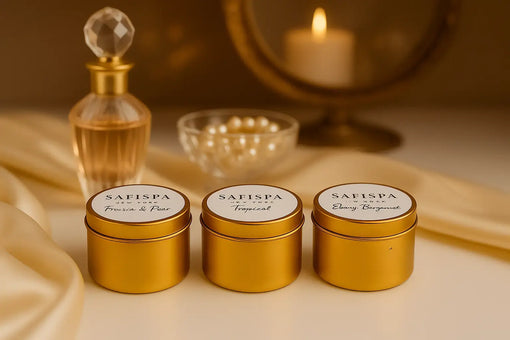
By Nicole Peters | Updated October 12, 2025 How to Layer Candle Scents: A Sensory Guide to Fragrance Harmony Layering candle scents transforms simple fragrance into atmosphere. Discover the art of pairing notes—citrus, floral, wood, spice—to create a refined home ritual that evolves as it burns. Layering complementary candles—like SaFiSpa’s Freesia & Pear with Ebony Bergamot—creates depth and mood in every room. Why Candle Layering Works Every candle carries a personality. Lighting more than one allows those characters to interact—top notes rise, base notes ground, and heart notes weave connection. Researchers at Duke University note that scent cues strongly influence mood and memory, explaining why pairing fragrances can amplify emotional response. For home fragrance enthusiasts, layering is a creative expression: it personalizes space, tells a story, and reflects the rhythms of your day. The Structure of Scent Candles and perfumes share a three-note structure: Top notes – bright openings like citrus, mint, or herbs Heart notes – florals or spices forming the main character Base notes – woods, resins, or musks providing depth When layering, combine one candle that dominates the base (sandalwood, vetiver) with another highlighting top or heart notes (lavender, pear, or bergamot). The contrast builds harmony rather than conflict. Three Approaches to Layering Candle Scents Simultaneous Burn: Light two complementary candles in the same room—one warm, one bright. Sequential Burn: Transition through scents during the day (citrus morning → floral noon → woodsy evening). Mixed Medium: Combine a candle base with essential-oil diffuser or spray overlay for multidimensional fragrance. Tip: Always introduce the softer scent first; it prevents stronger base notes from overpowering the room. Sample Pairings & Recipes Citrus + Floral + Wood Begin with a sandalwood candle. After 30 minutes, add bergamot or lemon. Toward evening, layer a Lavender Vanilla Candle for warmth and calm. Spice + Vanilla + Musk Perfect for fall or dinner gatherings: start with SaFiSpa’s Pumpkin Spice Candle, then add Vanilla Essence for balance, finishing with subtle musk or amber oil diffused lightly. Minimalist Dual Layer Pair a single-note floral such as Belle Rose with an earthy base like Sandalwood. Their contrast creates sophistication without complexity. Designing Scent for Time and Space Morning: Citrus + herbal notes for focus. Afternoon: Floral + soft wood for balance. Evening: Vanilla + amber for tranquility. Workspace: Eucalyptus + linen for clarity. SaFiSpa’s soy candles and pure essential oils allow effortless transitions that mirror your energy throughout the day. Common Mistakes to Avoid Mixing too many strong scents at once Combining conflicting families (heavy spice + dense floral) Ignoring room size—small rooms need lighter notes Uneven burn times—trim wicks and match candle diameters For multi-layer candles, let each wax layer cool before pouring the next to prevent color bleed and scent muddle. Expert Insight “Each scent tells its story in rhythm and harmony — that’s the beauty of fragrance layering.” — Nicole Peters Devis, Safispa's founder Luxury fragrance houses from Jo Malone London to Diptyque use similar principles when designing multi-note experiences. The aim isn’t intensity but depth—an aroma that unfolds gradually, inviting the mind to slow down. SaFiSpa’s Layering Philosophy Each SaFiSpa candle is crafted with clean soy wax and phthalate-free essential oils. Our aromatherapy line—from Freesia & Pear to Ebony Bergamot Essential Oil—is designed for effortless layering across scent families: floral, fruit, spice, and wood. Whether pairing for serenity, energy, or focus, each burn becomes part of your daily ritual. Frequently Asked Questions How many candles can I layer at once? Two to three complementary scents are ideal. Beyond that, the olfactory balance can overwhelm the space. Can I mix different brands? Yes, but match fragrance quality and intensity. All-natural or soy-based candles blend most harmoniously. Does layering reduce burn time? No. Each candle burns independently, though stronger top notes may dissipate faster than base aromas. About the Author: Nicole Peters is the founder of SaFiSpa New York, a luxury candle & home-fragrance brand blending science-backed aromatherapy with Caribbean-inspired artistry. Her work explores how scent influences emotion, memory, and well-being. Shop the full aromatherapy collection at SaFiSpa.com — where fragrance becomes ritual.  
Learn More
Aromatherapy Oil Diffusers & Essential Oils: The Complete Guide
  • Article published at:
  • Article author: SAFISPA NY
  • Article tag: Aromatherapy at Home
  • Article comments count: 0
Aromatherapy Oil Diffusers & Essential Oils: The Complete Guide
Discover the best aromatherapy oil diffusers and essential oils for sleep, stress, anxiety, massage, and spa rituals. Learn how lavender, peppermint, rosemary, frankincense, sandalwood, and more transform modern self-care.
Learn More
The Ultimate Guide to Body Oil: Ingredients, Routines & Safety
  • Article published at:
  • Article author: SAFISPA NY
  • Article tag: body oils
  • Article comments count: 0
The Ultimate Guide to Body Oil: Ingredients, Routines & Safety
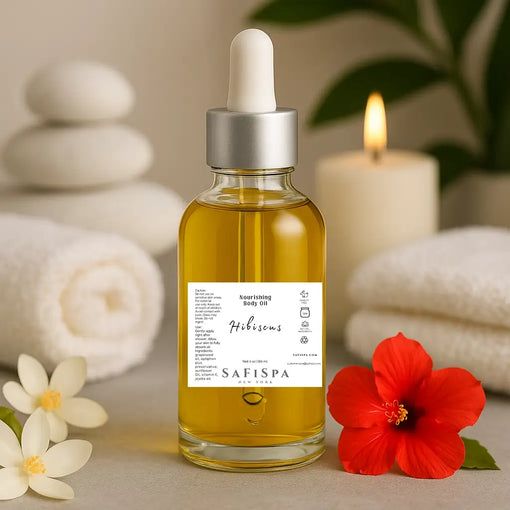
  By Nicole Peters Devis  • SaFiSpa • September 12, 2025 The Ultimate Guide to Body Oil: Science, Routines, Ingredients & Safety Body oil has quietly moved from spa back rooms to everyday bathrooms, promising smoother skin and a calmer nervous system in a few patient pumps. This guide separates gloss from gospel: how oils interact with the skin barrier, which ingredients do the heaviest lifting, the routines that work in real life, and what to skip—especially if your skin is sensitive, reactive, or simply tired of winter. Texture tells the truth: fast-absorbing esters, mid-weight triglycerides, and richer plant oils all have a place—if you know when to reach for which. In 60 seconds: Oils don’t “hydrate”—water does. The right oil blend locks hydration in, softens rough patches, and smooths the look of skin. Apply on damp skin, use smaller amounts than you think, and choose textures by climate and time of day. Lighter (squalane/CCT) by morning, richer (sunflower/argan/meadowfoam) by night. In this guide What body oil is—and isn’t Skin science: barrier, TEWL & why oils help Ingredient decoding How to choose by skin, climate & lifestyle Routines that work Layering: oil vs lotion vs body butter Concerns: KP, ingrowns, sensitivity Fragrance & essential oils Seasonal strategies & travel How to apply body oil (step-by-step) FAQs References 1) What body oil is—and isn’t Body oils are blends of lipids—plant oils, esters, and triglycerides—that soften skin (emollience) and slow water loss (occlusion). They’re not hydrators in the strict sense; hydration requires water. Think of oil as the final glass door you close after a shower: the warmth stays in, the draft stays out. Body oil is the quiet workhorse of a good routine. Applied to damp skin, it creates a breathable seal that locks in post-shower moisture while softening rough patches. Most blends rely on nutrient-dense lipids—fatty-acid–rich plant oils like sunflower, jojoba, or meadowfoam—paired with antioxidants such as vitamin E to support the skin’s barrier and leave a healthy, low-shine sheen. Textures span the spectrum: weightless, fast-absorbing esters for mornings; mid-weight oils for daily comfort; richer finishes for cold nights. Start with a few drops, spread thin and even, and adjust by season. Fragrance-free options suit sensitive skin; subtly scented versions make the ritual feel a touch more luxurious. The payoff is simple and visible: smoother, more supple skin that stays comfortable longer. Use body oil to seal the water you just added. The best results happen on damp skin, with small amounts spread thin and even. 2) Skin science: barrier, TEWL & why oils help Your stratum corneum looks, under a microscope, like bricks-and-mortar: corneocytes (bricks) in a matrix of ceramides, cholesterol, and fatty acids (mortar). Cold air, hot showers, harsh surfactants, and low humidity pry at that mortar, raising transepidermal water loss (TEWL) and leaving skin tight, itchy, and dull. Emollience: Fill in micro-cracks for a smoother feel. Occlusion: Create a breathable film that slows water escape. Lipid support: Some plant oils supply fatty acids skin can use while rebuilding its barrier. Pro tip: The same formula can feel weightless in Phoenix and rich in Portland. Adjust volume (pumps) before you swap products. 3) Ingredient decoding (from squalane to shea olein) Light, fast-absorbing “dry” oils & esters Squalane: Stable, weightless, biomimetic; great for daily use. Caprylic/Capric Triglyceride (CCT/MCT): Silky slip; superb texture backbone. Meadowfoam seed oil: Cushion without heaviness; boosts stability. Mid-weight conditioners Jojoba (wax ester): Close to skin’s sebum profile. Sunflower (linoleic): Linoleic-rich versions suit compromised barriers. Argan oil: Glossy, nurturing; use sparingly for a polished sheen. Richer occlusives Shea olein / shea oil: Comforting “wrap” at night. Olive-derived oleates: Cozy in winter; pair with lighter esters to speed dry-down. Essential oils: Beautiful—but potent. Keep totals low in leave-ons, patch test diligently, and avoid phototoxic oils on sun-exposed skin. Oil / Ester Texture Best For Notes Squalane Ultra-light Daily, humid climates Non-greasy, layers under SPF CCT/MCT Silky, fast All-over slip Carrier to speed absorption Jojoba Balanced Normal/combination Often well-tolerated Sunflower (linoleic) Mid-light Compromised barrier Budget-friendly hero Argan Mid-rich Dry patches Glossy finish; sparing use Shea olein Rich Harsh winters Great night finisher 4) How to choose by skin, climate & lifestyle Dry or tight-feeling skin Go mid-to-rich: sunflower (linoleic) + argan + a touch of shea olein at night. Mist first, then 2–4 pumps spread thin. Normal/combination Squalane + jojoba balances glide and grip. Shift richer for ski trips; lighter in humid months. Sensitive/reactive Favor fragrance-free. Start minimalist (squalane + sunflower). Patch test 24–48 hours. Active lifestyles Zero-residue finishes pre-commute or workout: CCT + squalane, one thin layer on damp skin. Looking for a brightening, fast-absorbing option? Try SaFiSpa Hibiscus Body Oil (Hydrating & Skin Brightening) — a squalane-led blend with lightweight slip, ideal for daytime wear under clothes. 5) Routines that work (morning, night, post-gym) Morning (clothes-on friendly) Shower warm, not hot. Towel until damp—not dry. Optional: a quick spritz to add slip. 1–2 pumps of a light blend over arms/legs; thin film only. Let set 60–90 seconds; then dress. Night (repair mode) Apply a humectant lotion first (glycerin/urea). Seal with a richer oil, especially shins/forearms. Weekly: gentle body exfoliation before oil. Post-gym (no slip) Quick rinse, pat damp, a whisper of squalane/CCT—just enough to reduce tightness without residue on leggings. 6) Layering: oil vs lotion vs body butter Format Primary Job When to Use Notes Lotion Add water + humectants Immediately post-shower Think hydration Body oil Seal & soften On damp skin or over lotion Think barrier management Body butter Max occlusion Cold snaps; elbows/heels Minimal in warm climates Rule of thumb: Thinnest to thickest—water-based first, oil last. 7) Concerns: KP, ingrowns, sensitivity Keratosis Pilaris (KP) Alternate: a mild chemical exfoliant (PHA like gluconolactone) and a sealing oil with linoleic-rich sunflower. Keep fragrance low. Ingrowns After shaving/waxing, wait 24 hours; then use a light oil layer with squalane. Introduce salicylic acid 1–2×/week if tolerated. Very sensitive skin Start fragrance-free. Patch test. Keep routine short and simple for two weeks before adding extras. SaFiSpa Unscented Body Oil is your fragrance-free fix for post-shower comfort—quick absorption, dry-touch finish, and barrier-loving grapeseed, sunflower, jojoba, and vitamin E. 8) Fragrance & essential oils: safer use Prefer low fragrance in leave-ons; patch test diligently. Avoid known phototoxic citrus oils on sun-exposed skin. If pregnant/nursing, consult your clinician and lean fragrance-free. Patch testing: Apply a tiny amount to inner forearm for 24–48 hours. Redness, warmth, or itching? Discontinue. 9) Seasonal strategies & travel tips Winter Increase richness at night (add shea olein), reduce shower heat/time, and consider a bedroom humidifier. Summer Go lighter (squalane/CCT), minimize amounts, SPF on exposed areas. Travel Decant 30–50 ml into an amber, leak-proof bottle. Cabin air dehydrates—use a single pump on damp skin before landing. 10) How to apply body oil (step-by-step) Shower smart: Warm water; gentle cleanser. Towel until damp: Leave a thin sheen of water. Measure: Start with 1–3 pumps for full body. Spread thin: Hands first, then sweep over limbs and torso. Wait 60–90 seconds: Let it settle; then dress. 11) FAQs Is body oil better than lotion for very dry skin? Use both. Lotion adds water; oil helps keep it there. For severe dryness, layer lotion first, then oil while skin is still damp. Can I use body oil every day? Yes—once or twice daily on damp skin. Adjust amount by season to prevent residue. Will body oil stain clothes? Apply sparingly on damp skin and let it set 60–90 seconds before dressing. Light, dry-touch formulas help minimize transfer. Can I put body oil on before SPF? Yes. Apply oil first and let it settle; then apply a broad-spectrum SPF to exposed areas. 12) References Rawlings AV, Harding CR. “Moisturization and skin barrier function.” Dermatologic Therapy. Proksch E, et al. “The skin barrier function.” Journal of Dermatological Science. Jacob SE, Steele T. “Essential oils and contact dermatitis.” Dermatitis. NAHA — National Association for Holistic Aromatherapy: Safety guidelines. Tisserand R, Young R. Essential Oil Safety, 2nd ed. Elsevier. Medical disclaimer: this guide is informational and not a substitute for professional advice. If you have a skin condition, consult your clinician. About SaFiSpa Find us on Instagram: @safispa.ny • Learn more about SaFiSpa        
Learn More